Guide
Pending versus confirmed codes
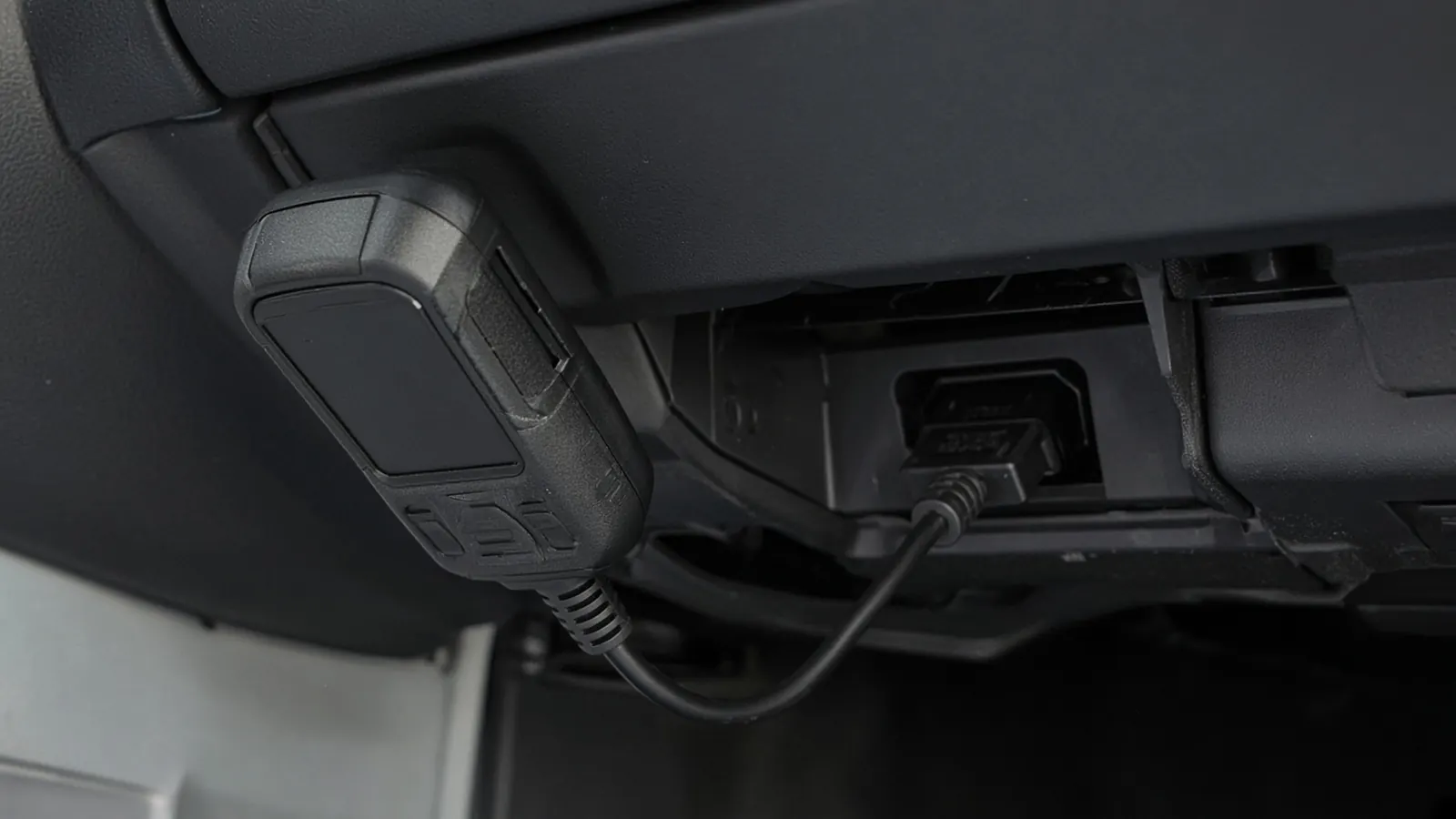
A pending code is a failure the computer has seen, usually on one drive. It may not have turned the light on. If the next drive passes, the pending code can drop off without a repair.
A confirmed code has failed often enough, or severely enough, to meet the rule for the malfunction indicator lamp. The light should be on, or it was on until someone cleared it.
Permanent codes, on newer cars, are a third list. They are kept until the monitor runs and passes, even if you clear the ordinary code. A car can fail an inspection on a permanent code that a cheap reader does not show.
Write down all three lists if your tool shows them. Clearing the car to make the light go out does not make a permanent code pass, and it does not repair the fault.
Pending versus confirmed codes is the decision you make before opening a single code page. Once you have the code, open that page and read the fault type. An open circuit, a low reading, a leak, and an efficiency failure are not the same repair, even when they mention the same part.
Keep the driving limits narrow. A flashing light, an oil-pressure warning, an overheating engine, a slipping transmission, liquid fuel, or an orange high-voltage cable overrides the general advice that a steady lamp can be driven gently to a shop.
The service information for the exact year and engine still controls pinouts, torque, fluid type, and high-voltage isolation. This guide does not invent those values, and it does not claim a repair that was not performed on a specific car.