Guide
Oil pressure light versus the check engine light
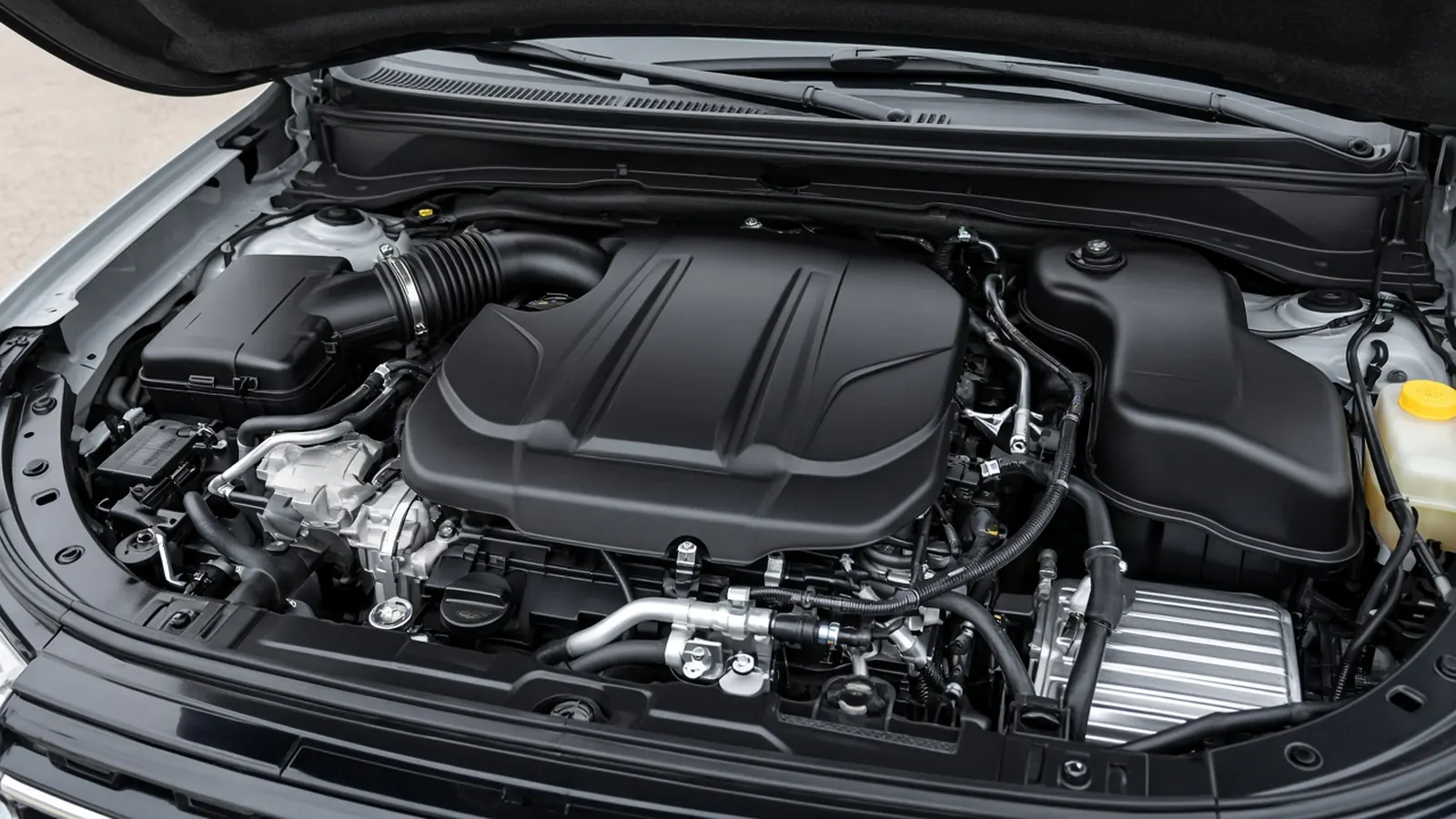
The oil-pressure warning is usually a red lamp, sometimes shaped like an oil can. If that lamp is on while the engine is running, or the engine is knocking as if it has no oil, turn the engine off. Driving will destroy the bearings. Check the oil level only after it is off, on level ground, using the procedure in the manual.
The check engine light is a different lamp. It stores a code. P0520 and related codes refer to the oil-pressure sensor circuit. They can set because the sender failed while actual pressure is fine, or because pressure is not fine. The red warning and the engine noise settle that question in the cautious direction: stop.
Low oil on the dipstick is a level problem. It may not set a check engine light at all. The level is checked with the engine off, after the oil has settled, unless the manual describes an electronic check instead.
Do not add oil until it pours out the top to quiet a noise. Too much oil can aerate and also damage the engine. Add to the marked range, then find out why it was low.
Oil pressure light versus the check engine light is the decision you make before opening a single code page. Once you have the code, open that page and read the fault type. An open circuit, a low reading, a leak, and an efficiency failure are not the same repair, even when they mention the same part.
Keep the driving limits narrow. A flashing light, an oil-pressure warning, an overheating engine, a slipping transmission, liquid fuel, or an orange high-voltage cable overrides the general advice that a steady lamp can be driven gently to a shop.
The service information for the exact year and engine still controls pinouts, torque, fluid type, and high-voltage isolation. This guide does not invent those values, and it does not claim a repair that was not performed on a specific car.