Guide
What to do when several codes are stored
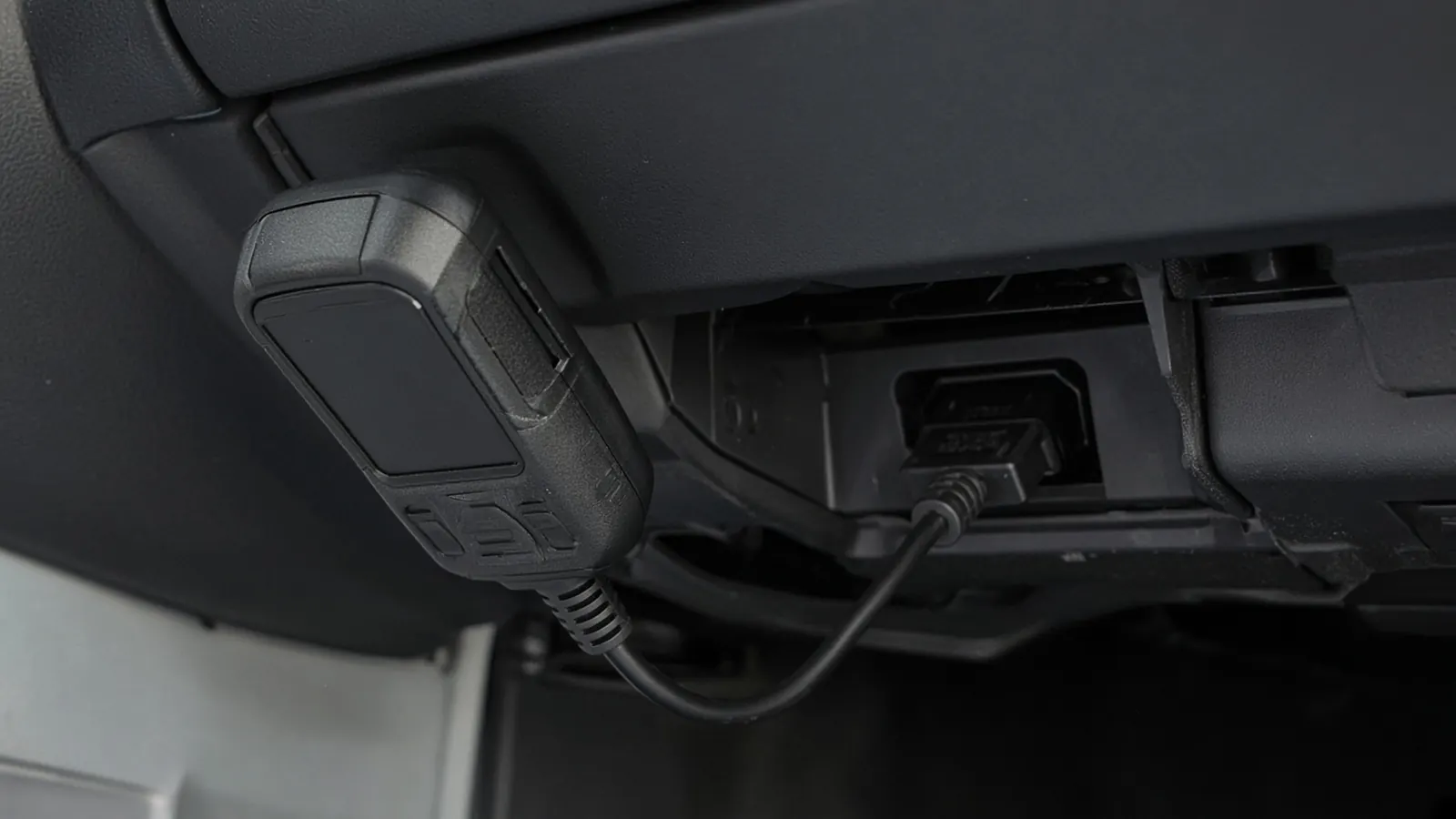
Cars often store more than one code. Read the list before you pick a favorite. A low-voltage code or a network code at the top of the list can explain a dozen sensor codes underneath it. Replacing the sensors would not fix the voltage.
Look for a pattern. Two banks lean is a shared cause. One cylinder misfire plus a catalyst code may be the misfire damaging the catalyst reading. A heater code and a signal code for the same sensor belong together.
Write the list in the order the tool shows, and mark which module stored each code. Engine, transmission, and body modules keep separate lists.
Clear the car only after the list and the freeze frame are saved, and only if you are starting a test that requires a clear. Clearing is not a repair.
What to do when several codes are stored is the decision you make before opening a single code page. Once you have the code, open that page and read the fault type. An open circuit, a low reading, a leak, and an efficiency failure are not the same repair, even when they mention the same part.
Keep the driving limits narrow. A flashing light, an oil-pressure warning, an overheating engine, a slipping transmission, liquid fuel, or an orange high-voltage cable overrides the general advice that a steady lamp can be driven gently to a shop.
The service information for the exact year and engine still controls pinouts, torque, fluid type, and high-voltage isolation. This guide does not invent those values, and it does not claim a repair that was not performed on a specific car.