Guide
Lean and rich fuel-trim codes
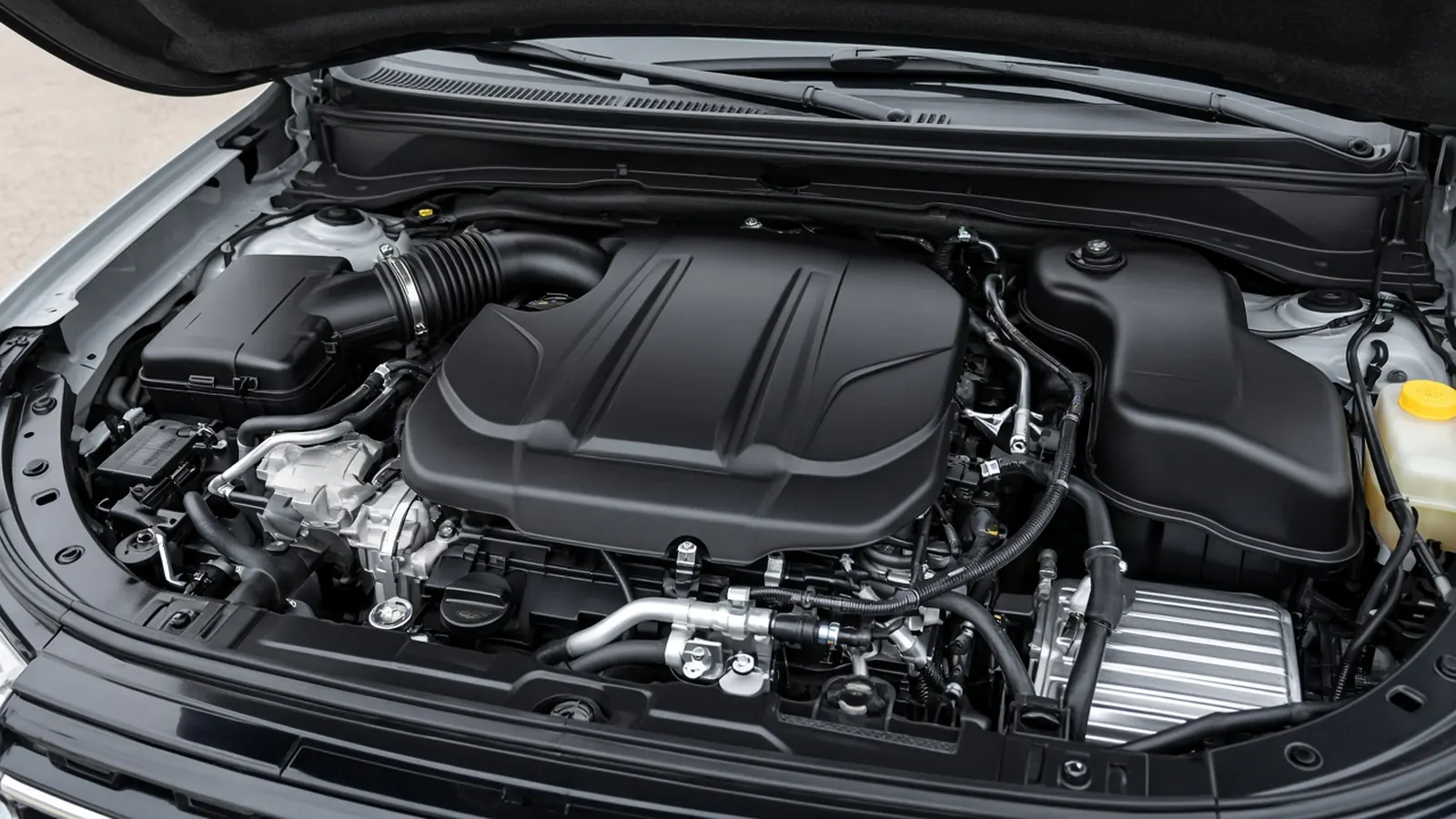
P0171 is system too lean on bank 1. P0174 is system too lean on bank 2. The computer has been adding fuel, or the oxygen sensor reports a lean mixture. Unmetered air, low fuel delivery, and a false sensor reading are the three families.
If both banks are lean, look at what both banks share: the airflow meter, a large vacuum leak, fuel pressure, a clogged filter. If only one bank is lean, look at that bank's intake gasket, injector, or sensor before condemning the pump.
P0172 and P0175 are the rich versions. Extra fuel, a stuck purge valve feeding vapor, or a sensor reporting false-rich can set them. A rich misfire with a flashing light is a stop-driving condition.
Fuel trim numbers are how a shop proves which family it is in. The code alone does not tell you to buy a mass-airflow sensor or a set of injectors.
Lean and rich fuel-trim codes is the decision you make before opening a single code page. Once you have the code, open that page and read the fault type. An open circuit, a low reading, a leak, and an efficiency failure are not the same repair, even when they mention the same part.
Keep the driving limits narrow. A flashing light, an oil-pressure warning, an overheating engine, a slipping transmission, liquid fuel, or an orange high-voltage cable overrides the general advice that a steady lamp can be driven gently to a shop.
The service information for the exact year and engine still controls pinouts, torque, fluid type, and high-voltage isolation. This guide does not invent those values, and it does not claim a repair that was not performed on a specific car.